About This Episode
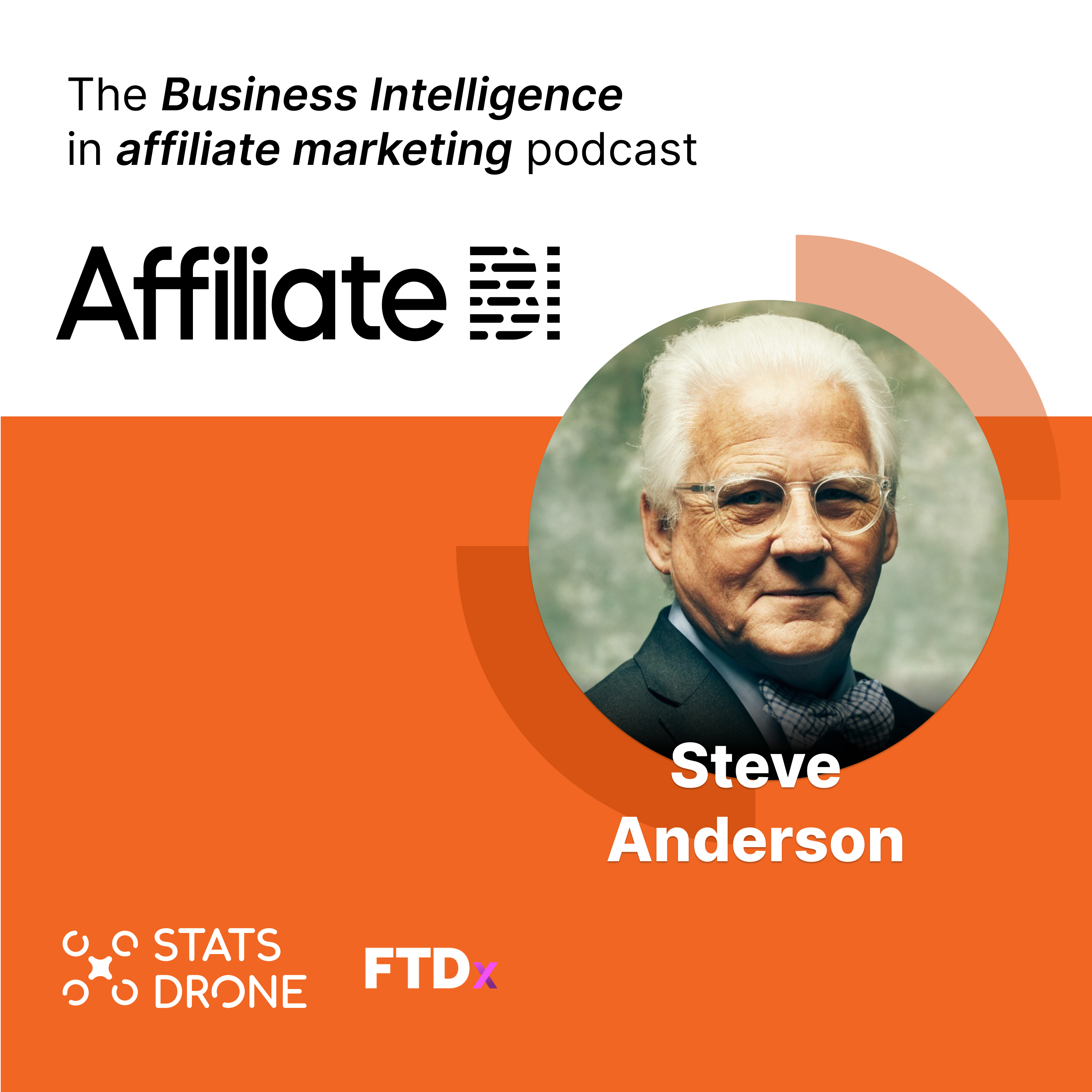
Meet Steve Anderson whom is a business analysis specializing in risk. He runs an agency and besides being a best selling author, is the Co-Founder at Catalyit®.
Steve put his business analyst hat on and dissected Jeff Bezos's shareholder letters. He breaks it down into 14 core principles that could be a guiding light for any startup or affiliate. Actually any business.
As I write this, I'm now reading his book and so far, it is excellent!
Shoutout to our supporters at:
Where to reach Steve Anderson
Full Transcript
and I would say one of the things that it intrigues me is Amazon doesn't really have a research and development department their culture is built around every employee should be looking at their job and seeing how they could do it better again one of my principles is make complexity simple and so what steps can be removed from even the smallest process and and that becomes every employee then becomes your research and development department and part of what's interesting is that's one of the keys for promotion
at Amazon coming up with a better way pitching it getting Buy in and then often the person who comes up with the idea actually becomes the Project Lead for whatever that is and so kind of internal development and it and culture of being rewarded for coming up with good ideas I'm John Wright and you're listening to affiliate bi the business intelligence and affiliate marketing podcast brought to you by stap welcome to the FBI podcast today we're chatting with Steve Anderson who is the author of the
basos letters and he's also the co-founder of catalysts uh Steve is a true business analyst focusing on the five balance of growth and risk Steve welcome to the show John thank you so much for having me I really appreciate being on the show I I haven't read your book yet but I've seen it before so I'm actually excited to dig into it I want to ask your story about how you got the idea to start the book besides the obvious wites of course you naturally have
dug deep into Jeff Basil's letter so I want you to share your story well there is a story behind how kind of discovered them and did the Deep dive into them and it really comes out of my work in the insurance industry which is what my career has primarily been and the last probably 35 years focusing on technology for Independent Insurance Agents and we all know that technology continues to develop and hard as it is to say or even think faster than ever right I mean
with even the last months and so given that background I started asking the question is the biggest Risk insurance agents face actually not taking enough taking enough risk and and that was sort of a core idea that I kept kind of Marin in and started looking at companies that uh had once been very successful and literally are gone and companies that have been successful and continue to be successful and try to begin understanding what's the difference you know what makes one company longer term successful and
one company literally slide out into Oblivion and again the names we sort of know that's where I came across Amazon and I kind of say now of course but I I think at the time this was probably five years ago maybe a little more you know at the time I it was obvious Amazon was successful but not as obvious as to why and so I came across in my research the letters to shareholders that Jeff bases wrote first letter was 1997 they that's the year they
went public and the last letter um that he wrote was 2020 when he stepped aside as CEO and went into executive chairman the book goes through the 2018 letter because that was the most current letter when the book was published um and what I realized is when I sat down and read the letters in order as a narrative almost 50,000 words a book I realized there were threads through the letters um and most shareholder letters are boring and tout the company right or the CEO how
great they are and blah blah blah BAS did some of that but not a lot he did a lot more of how he did it what were the things they put in place what were the problems they encountered and how did they solve those problems and you know I I do think Bezos is well go down in history as as one of the certainly one of the most successful CEOs and taking a company from literally who knew you could buy books or even wanted to online
to the what it is today so that's that's kind of where it came from and I I will tell you the book IDE did didn't come to until a little bit later um I was intrigued with the letters I was intrigued with his thoughts and I thought okay this is really good information I should put together a legion you know PDF giveaway give me your address you know typical marketing stuff and uh fortunately I showed it to my wife who's in the book business and and
she said oh no no no this is not a lead gy this is a book and I kind of pretty much went oh right as a book is a whole different animal and I had been writing my entire career articles and WR all kinds of different stuff but a 1500w article and a what ended up being a 65,000 word book are two entirely different things and so um fortunately it was you know published and up in Wall Street Journal USA Today bestseller list and maybe even
more surprising to me it's been translated into 20 into 20 languages yeah that's phenomenal it's I've actually read a few of the letters myself I think I've seen some articles that probably talked about your book and then they've actually dug into it and for me I I felt it was maybe too high level like maybe I didn't dig deep enough in there but what would you say are some of the patterns of success for any company I mean not everyone could be Jeff Bezos and not
everyone could be Amazon but what are some of the things that when you start studying good and bad companies like are there signatures on the people side as well as strategy well I would say and again so you know the full title is the Bezos letters 14 principles to grow your business like Amazon so there are 14 principles and there's a whole story behind that that you know so there are that's a lot I'll just say that but I do think there are some kind of
key p principles that apply to pretty much any type of organization and over the last few years I've heard from a lot of different ones who you know CEOs nonprofits I mean all kinds of different types of business and I always like to say you know especially if your audience is a small business owner whatever that might mean remember Bezos started as a guy in a garage putting books and packages and driving them to the post office now obviously you scaled and it took what 26
years to be where they are today and you may not even want to grow like that but there's still things they did that set up that success again for long term and so I I the first principle um is what I call encourage Successful Failure and one of the key threads in the letters was this idea of failure you're being a good teacher and Successful Failure is not a term you hear very often how can a failure be successful well it can be because what do
you learn from the failure and so bezos's mindset is we have to experiment if you do an experiment and you don't fail it's not an experiment so you have to be willing to fail if you're going to do experiments and what he calls you know what his phrase is you experiment and invent on behalf of the customer and in order to do that you've got to iterate change fail learn that whole process and again I think that's something that is good to keep in mind and
I also want to say you know an objection I hear often is well look at Amazon now they can afford to spend you know millions of dollars and fail they couldn't when they were small just like any other small business but they still had that mindset of we've got to experiment to see what's going to work and what's not going to work if it doesn't work we get rid of it and so when people talk about Amazon today and like they're shutting this down or that
down that's part of the experiment it didn't produce the results they wanted and so they're willing to cut it and then learn from it and move on to something else and a lot of times things that are very successful today at Amazon that we all know were failed experiments until they succeeded Prime is a great example I mean shipping right so they had all kinds of iterations of shipping and you know if you buy $25 you get free shipping if you you know they they went
through various iterations before they got to what we now know as Prime today one day one hour shipping depending on on where you are so I that's one that just sticks out for me because especially coming from the insurance insurance insurance industry it's very counterintuitive because everything about insurance is mitigating risk reducing risk transferring risk to an insurance policy it's not a risk mindset and I think that especially back to what I said earlier when technology is changing so fast you don't have time to sit
back and try and wait and see I I guess I'm going to summarize this from my point of view of being a SAS company is kind of like a a mixture of doing things whether it's failing and it's kind of like if you're spending too much time spinning your wheels I guess this is the whole analogy I mean it's easy for someone like you to look at someone and go you're clearly spinning your wheels but I think if you're not trying any of these experiments it's
like nothing's really getting done and you don't have this feedback loop right exactly and and one of the comments I make in the book is that I don't believe employees are for are are afraid of failure but they are afraid of the consequences of failure so that's part of the culture built in the organization is and again this is not stupid stuff I mean this is not who cares let's just see what happens this is intentional strategic wellth thought out and it's still going to not
work sometimes maybe more times than you want and then I'm going to Pivot to because I mean we're talking about investor letters so we have investors an Ness company and these ones are private so they're probably never going to be public but what do you think are things that investors should include or not investors sorry startups should include for letters for their investors well I think yeah certainly you need the financials I mean that's kind of a given I guess I would say and that's my
comment earlier most public CEO letters are that and again I think what made Bezos set a couple things I think made him different um and I'm thinking back to the very first 1997 letter and again I think this applies whether you're private and it's all internal or whether you're public and it's required um as part of SEC filings Etc I mean he laid out in that very first letter very clearly his vision for Amazon and there were several sections in that letter one was we will
f focus on the customer we will be obsessed with the customer and our decisions will be um made in light of that Obsession so that actually is another principle obsess over customers um the other thing he said that is very counterintuitive is to in their investors is if this if that's how do I say this give me a minute if that doesn't fit your investment mindset then you probably shouldn't invest in Amazon again hter intuitive what what do you mean what get you know but being
very clear on the vision and and and again Amazon lost money for probably the first 10 15 years and lots of press about that right amazon.com and etc etc but the third third area that he emphasized was a long-term a long-term Vision meaning we will make decisions based on based on based on longterm ideas long-term vision of where we want to go which means in the early internet days it was a landrush right the people who had the most customers who could grow the fastest were
the ones who ultimately won and even in SAS you know their AWS stuff I I won't call it an accident but they didn't set out to create AWS they set out to solve a internal it problem which is every division Department had their own team and they were duplicating resources and programming and all that kind of stuff and Bezos said no we're no longer doing that in fact he said I can't remember what year now early he said we will have connections and we will have
Central repository for services and all of a sudden somebody thought actually it's Pro I think it was probably Andy jasse who ended up being CEO of AWS before moving into basos position uh he he said you know there's got to be other developers who don't want to spend money on infrastructure and and the whole SAS I was I'm a little Prejudice so but the SAS industry was created because of that particular thought so anyway I don't know I directly addressed your question but I think has
casting that Vision as CEO as SE Suite whatever that looks like to your your your investors and making sure as much as possible that they are in alignment with the vision that co-founder founder Whoever has for where that business should should should go this is a good good feedback for me because I'm literally working on it and if if if my uh investor newsletter tonight um shifting a little bit because I know you do I think it's Insurance Agency Consulting and comine with your understanding of
growth versus risk how would you advise the SAS company knowing when to exit when one of a couple things could happen either the market changes on you like I mean I'm sure we've got the Blockbuster or it's kind of like what about security because I mean that's also part of the the insurance equation oh yes we like to sell cyber insurance so you know so when do you exit gosh that's I think there's so many factors that go into that particular decision I I think a
couple things that come to mind one is you know it is what do you see as the future future and are you paying attention to external trends so you mentioned something changes you know business changes or you know something like that and and one of the things that that bezo said was that paying attention to external trends is a key differentiator between those businesses that are gone and those that stay because they are more adaptable and it and as you grow it becomes harder and harder
to Pivot the change you know we've been successful I would if I could point to point to point to one one reason Kodak Black Blockbuster you know cop USA I you pick them we're gone is an unwillingness to change and pivot what was their Cash Cow and sometimes that's not possible right um and if you're not paying attention to those external trends then you're you will be behind not ahead and again if you look at Amazon in terms of how many Industries have they changed because
they saw something coming and got out there early experimented failed got something going and kept building upon that and there are all kinds of examples I mean Healthcare right now they continue and this is a multi-year thing and that comes back to that long-term thinking which is another principle right and not I I think one of the biggest issues at least for Bezos was we will not adhere to Wall Street quarterly earnings short-term thinking we will think long-term and he got pounded for that thinking ultimately
I think you could say he proved them wrong but you know again and so even for me I I'll give you a little my little tiny World a little small company is not big co-founder CEO up until mid last year and as you can tell I'm kind of on the other side of my career or the downside I don't want to say the downside quite yet but you know and I told my board that you know I will do this as long as I'm still having
fun and I think I think I think that's important too you know hustling just a hustle I mean gets really old I think for me and that was part of my decision I didn't like the day-to-day I like the ideation I like up with things I like creating but not the day-to-day kinds of stuff and so I'm still involved and I'm still doing more of that than the day-to-day I would call it grind but you know the day-to-day stuff needs to be done really well but
that not that not that not me well if I ever think about exiting we get offers occasionally I'll come back to this episode and change my mind look at it again you know and and you don't have to read the whole book but I think you know there are certain chapters so every CH every principal has a chapter to it and there may be some interesting things there for you go ahead yeah I'll wait for you yeah I wanted to ask do you think the role
of a business analyst is perhaps the least understood and may be one of the most important around I do I haven't thought of it that way so that that was that's an interesting question you know when people say I'm a business analyst really what do you do sit around and you know look look at stuff all day or you know whatever but I I think that's perhaps the the place that new ideas can come from or new thoughts can come from meaning I wonder if we
did this or or do we do we have to do this still I know we've done it for five years but have things changed and so asking those questions and then creating small experiments and and get to test some of those ideas and then if you're seeing some success continue to moving forward and I would say one of the things that it intrigues me is Amazon doesn't really have a research and development department their culture is built around every employee should be looking at their job
and seeing how they could do it better again one of my principles is make complexity simple and so what steps can be removed from even the smallest process and and that becomes every employee then becomes your research and development department and part of what's interesting is that's one of the keys for promotion at Amazon coming up with a better way pitching it getting Buy in and then often the person who comes up with the idea actually becomes the Project Lead for whatever that is and so
kind of internal development and it and culture of being rewarded for coming up with good ideas now that's interesting from where I sit because I interviewed someone on the podcast who is part of an affiliate program software and I said if you had to put together your affiliate program today who are you hiring and the answer he said threw me off he basically said I'd get a business analyst as the first person now everyone I know in affiliate marketing that's not the first answer like that's
not even a thought it's actually know you get affiliate manager and then they basically create the program and you're copying and pasting what everyone else has done you know his answer was like analyst first then the affiliate manager and the analyst is basically educating the affiliate manager going these are the things I need to look at and I think you should look at them too yeah that's a great Point yeah so what could businesses do more of to set themselves up for success for 2025 and
Beyond and again I'll go back to one principle was coming to my almost what I started saying but I think you the question don't lead me into it um another area of those companies that are no longer here was was was decisionmaking and basis has a lot to say about decision- making at Amazon and he describes it as oneway and two-way doors and what he says is or type one and type two decisions what he says is that type one decisions are made by every every
business but very very few decisions are type one type one decisions are big bet the farm huge do I exit do I I mean that would be a type one decision and what he says is those decisions need to be made with as much information as you can gather and by top level people if not the CEO whatever that looks like and um probably with a gut feeling part of it so data and gut but those are few and far between he says as businesses grow
they tend to add layers managers supervisors whatever you know regional directors whatever that looks like and he said that bureaucracy slows down growth now P two decisions or a two-way dooring are the everyday decisions basically and he said frankly those decisions aren't that consequential even though they may look like it at the time but he said those decisions should be made with at most 70% of the information you wish you had which I think is an interesting gray right not that you have that you wish
you had um and they should be made quickly by the lowest level person or group that has the skills necessary to make that decision and he said if that decision is wrong back to the Successful Failure culture if that decision is wrong you can do a couple things you can just stop it you can pivot you can do something else and that doesn't slow down growth because now you look at okay why did we make that decision and think it was a good one but it
ended up not being a good one and so you start learning more and more about the decision process and about success and failure so I think that I mean bureaucracy is hated at Amazon and and they have a couple of tools um that they use one is called the two pizzza team so a team is only as big as what two large peaches can feed typically 10 12 people and he's and and again long story I won't go into it but but but the bigger the
team the more complex the communication becomes and the slower things happen so if you have small now you might have for a project you might have 10 15 50 teams but each responsible for a particular piece the other thing they did is early on 2004 Bezos banned PowerPoint presentations in meetings so no slide orientated presentation because what he said was people can throw bullet points on a slide really quick and easy and not think through exactly what's there and he he he said when you present
that way it it just leads to sloppy thinking in place of it he required everyone to write a maximum what became a maximum it it took a few years six-page memo literally a written out memo memo that started with a future press release what's the press release when this new service this new product this new platform whatever it is is released to the public what's the advantage to the public the customer and the key points of the service so that's first so you have an idea
in your mind of the end point and then FAQ what are the questions everybody's in that meeting is going to ask and you try and figure out all those question questions and you provide an answer to those questions now here's what's unique that memo is not passed out before the meeting it's passed out at the be and everybody literally sits around in a study hall as Bezos described it because he said executives are busy they'll say they're going to read it they won't so we'll just
carve out the time so everybody literally is on the same page now quick personal story when I was Pitch ING with this new company that I helped create uh we pitched about 15 potential investors uh and I did the six page mum it was the most excruciating 20 minutes I've had in a very long time because you're sitting there going okay what are they doing I and the people are making notes and you know blah blah blah but when I opened it up for discussion and
conversation and any additional questions we didn't address it was such a richer meeting and it's the whole idea of slowing down to speed up the meeting went faster ended up getting seven investors out of that group so 50% and we were able to launch and uh had the funds we needed to you know build what we needed to build so going full circle back to Jeff bezo starting a book company it seems like this is a pattern I'm just picking up from talking to you is
that you know writing your ideas down more than just like in point form like they kind of like like you said you've been doing a writing for most of your career I've done a lot but I find the more I do the more clearer my thoughts get so do you think there's like some sort of pattern here that you know basil starts a book company the key theme of this is writing and authorship and I mean yeah he's basically done it since day one like changing
what is typically you know business stuff and saying okay we need we need Clarity of thought pushed through yes absolutely and basos is a really good writer and and you see that in the letters and I think that's part of what kind of captured my attention is how well he wrote and it was something he had done a long time and brought it into Amazon and you know when he was thinking about because the whole idea behind Amazon is this internet thing right right 1995 and
he thought you know people are going to buy stuff on the internet well that was really early um for people to start thinking that way and you know again writing out is is key and it's still a core skill at Amazon today if you if you're interviewed at Amazon depending on your position you may be asked to write something because people want to see if you can express yourself in a written form and and the the phrase I use um is I don't know what I
think until I write it out I'm may think something and then but write the process of writing it out helps refine it I start seeing okay that's really stupid let's we think you know it it just really helps and I think that's kind of that Hidden Gem in that process brilliant well and think about this if that project fails after all of that now you have a document to go back to and say what didn't we understand that we need to learn from you know so
after action review you whatever you want to call it you've got what you thought were the right answers and for whatever reason they ended up not being so why and what can we learn from them and maybe that's just uh getting the 70% of the information you need to make that decision yep exactly well yes absolutely and you know a lot of times they move forward but they keep checking in to see okay is this still something viable is this should we still do this Etc
so and and you know again that helps them move fast which is certainly something Amazon has been good at for a while moving fast while making it seem slow but they're always making progress yeah move move fast while slowing down yeah or slowing down to move fast maybe the right way to say it and the last question is what do you see of the future of affiliate marketing as it intersects with business intelligence actually I think it's probably be more important and the reason for that
so all the AI stuff right I think people are going to want more and more human connection so I think people are going to be more important certainly and AI does some great stuff moving you know what I call soul sucking tasks off people's plate they don't want to do them anyway let's you know let's figure out a better way to do that and they want connection so I think you know again having an affiliate that has a relationship with their audience and and they become
the trusted person to be able to say hey I you know and you let me finish my thought they become the trusted person for helping their clients make the a good decision or exposing them to a good option that might make sense to them and even with all of that you know and I've been around the affiliate world for a long time um you got some people who just want the money and they don't last long is the way I would say it and then there
are people that I have known followed read that I don't anymore because they violated that trust so I think you know it's important to keep that in mind and you treat that trust um carefully how I would say it ironically enough I just find that there's actually not too many people writing about trust like what is trust and how is this part of a business years right like not a lot of people have that long-term vision and fortunately affiliate marketing of course attracts the short term
like I want to put in the least amount of time make the most money we all do but it never works that way well it work it might work that way for a short period of time but but probably not long term yeah brilliant Steve uh thank you so much for doing this I want to pass it back to you to ask how can people get a hold of you and of course we're definitely going to include the the links to the book so my primary
social platform is LinkedIn so you find me there Steve Anders insurance or Steve Anderson Bezos probably will pull me up I have a top voice there so I tend to have a presence I guess I would say the book website is the Bezos letters.com letters.com letters.com and the book is available in all formats Kindle audio print on Amazon of course or it might still you know might be at your local bookstore and so you should be should be able to find it pretty easily I'm ordering
that book right after we finish this call Steve thank you so much for doing this my pleasure thank you so much for having me all right now the dreaded and recording dreaded I don't know what I'm going to be clicking on recording stop recording this meeting will be saved in my drive thank you for tuning in to the affiliate bi podcast I'd like to take this time to ask for a small favor to leave a rating and review wherever you listen to your podcast that helps
us expand our reach to rank higher in podcast directories and reach more listeners